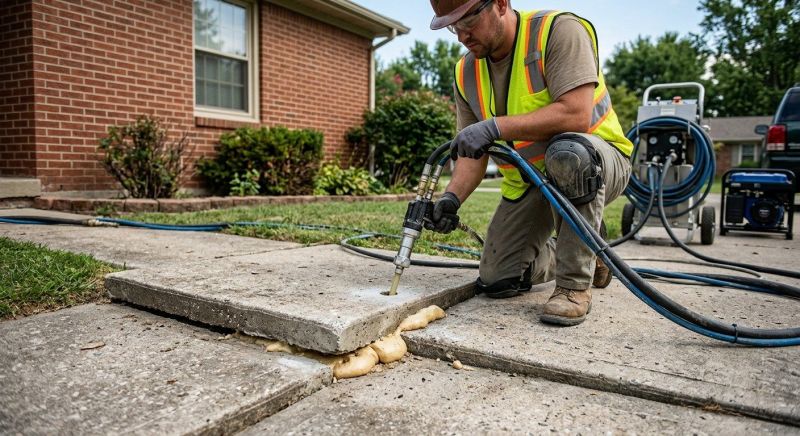
Void Filling in Denver, CO
Void filling services involve the process of securely filling empty spaces or gaps within walls, floors, or other structures in residential properties. This service is commonly requested during renovations, remodeling projects, or when addressing structural issues such as settling or shifting foundations. Property owners typically seek void filling to improve stability, reduce drafts, prevent pest intrusion, or enhance insulation. Before requesting this service, it’s helpful to understand the location and size of the voids, the materials involved, and any underlying causes that may need to be addressed to ensure a long-lasting solution.
These services cover a variety of projects, including filling gaps behind drywall, under concrete slabs, or within wall cavities. Homeowners should consider whether the voids are due to natural settling, previous construction, or damage, as this can influence the appropriate filling method and materials used. Clarifying the scope of the project and any specific concerns, such as moisture or pest control, can help ensure the void filling is performed effectively and efficiently, contributing to the overall safety and comfort of the property.
Many property owners in Denver, CO look into Void Filling for repairs, replacements, upgrades, and appearance-related improvements.
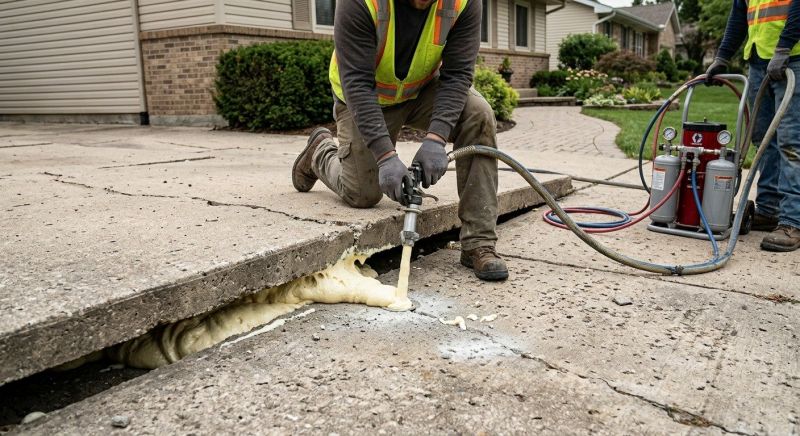
Foundation And Structural Support
Void filling stabilizes foundations and prevents settling issues in denver homes.
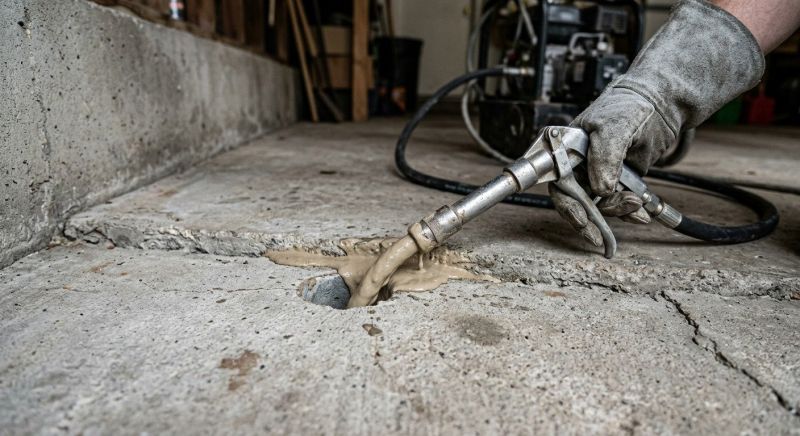
Basement And Crawl Space Restoration
Filling voids helps reinforce basement and crawl space areas affected by soil erosion or shifting.
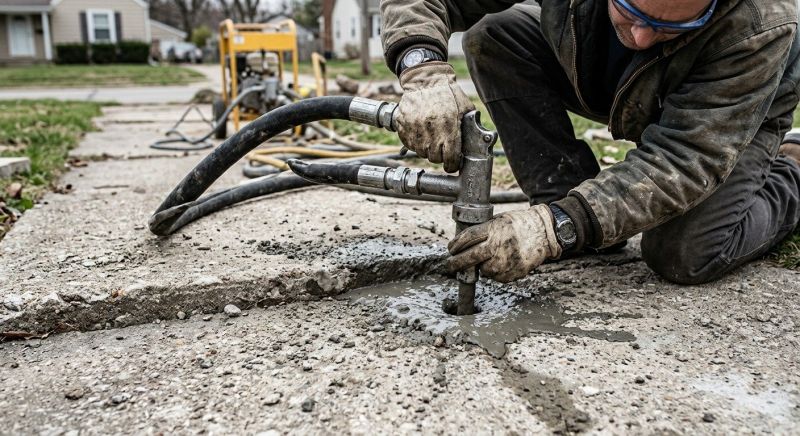
Property Stabilization Solutions
Addressing underground voids can improve safety and prevent damage to driveways and walkways in denver neighborhoods.
Void Filling in Denver, CO
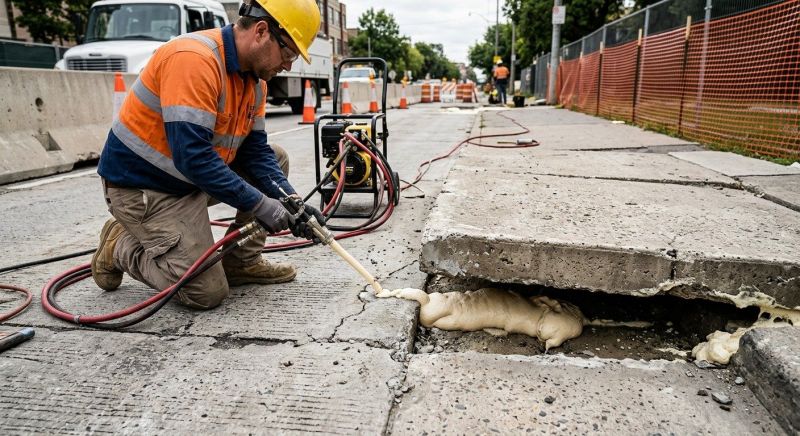
Void filling services involve the process of securely filling empty spaces or gaps within walls, floors, or other structures in residential properties. This service is commonly requested during renovations, remodeling projects, or when addressing structural issues such as settling or shifting foundations. Property owners typically seek void filling to improve stability, reduce drafts, prevent pest intrusion, or enhance insulation. Before requesting this service, it’s helpful to understand the location and size of the voids, the materials involved, and any underlying causes that may need to be addressed to ensure a long-lasting solution.
These services cover a variety of projects, including filling gaps behind drywall, under concrete slabs, or within wall cavities. Homeowners should consider whether the voids are due to natural settling, previous construction, or damage, as this can influence the appropriate filling method and materials used. Clarifying the scope of the project and any specific concerns, such as moisture or pest control, can help ensure the void filling is performed effectively and efficiently, contributing to the overall safety and comfort of the property.
Many property owners in Denver, CO look into Void Filling for repairs, replacements, upgrades, and appearance-related improvements.
Common Void Filling Jobs
Void Filling Services - filling gaps in walls, floors, or ceilings to improve insulation and energy efficiency.
Foundation Repair - sealing voids around foundations to prevent water intrusion and structural issues.
Attic Insulation - filling empty spaces in attics to enhance thermal performance and reduce heating and cooling costs.
Cavity Wall Filling - injecting insulation into wall cavities to improve soundproofing and temperature regulation.
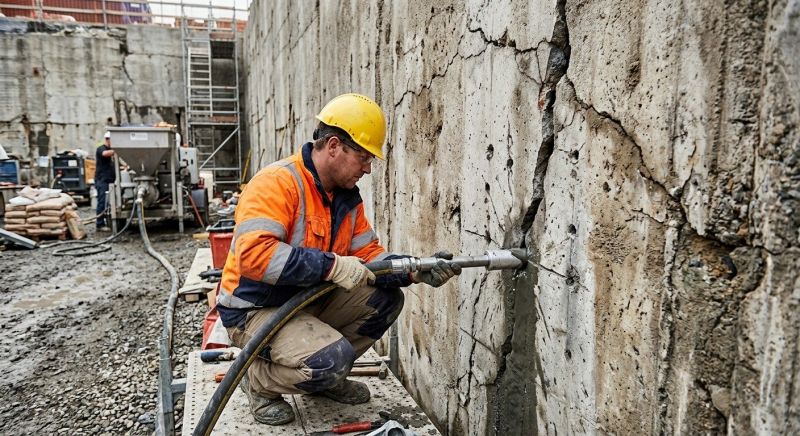
Basement Sealing - filling cracks and voids in basement walls to prevent moisture and air leaks.
Pest Prevention - sealing gaps and voids to block entry points for pests and improve overall property integrity.
Void Filling Questions
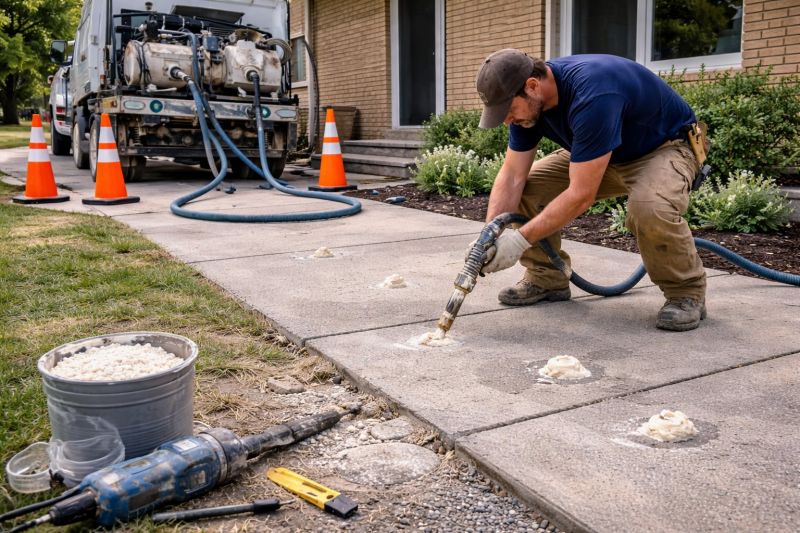
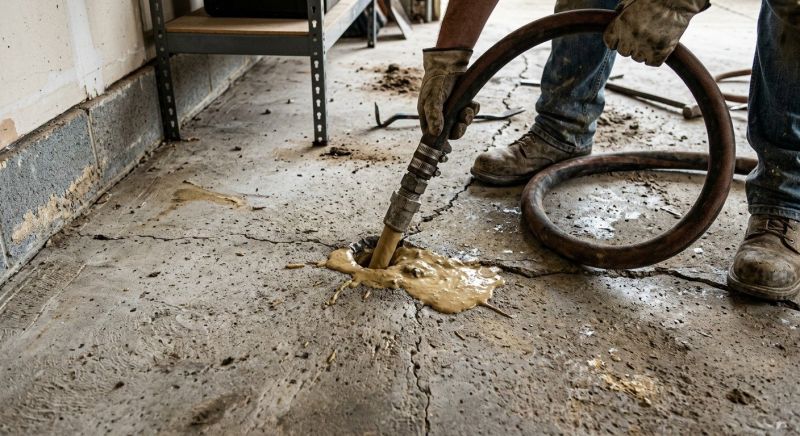
What is void filling used for? Void filling is used to stabilize soil, prevent settling, and support structures in areas with uneven ground or gaps beneath foundations.
Which projects typically require void filling? It is commonly needed for foundation repairs, basement work, driveway leveling, and landscape grading where soil or material gaps occur.
How does void filling improve property stability? Filling voids eliminates air pockets and provides support, reducing the risk of shifting or settling that can cause damage over time.
What materials are used for void filling? Common materials include foam, grout, or soil, chosen based on the project’s specific needs and soil conditions.
Request Void Filling in Denver, CO
Use the quote form on this page to share the basics of your project and request more information for the type of work you need.