Concrete Settlement Repair in Denver, CO
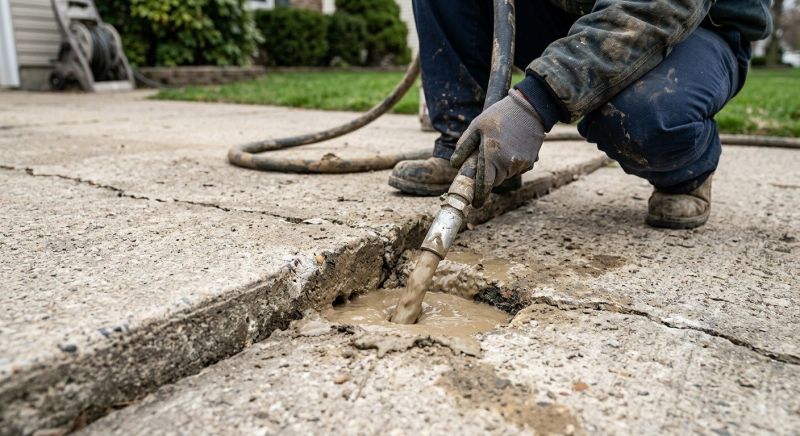
Concrete settlement repair services address issues where the ground beneath concrete structures shifts or compacts over time, causing the concrete to sink, crack, or become uneven. This type of repair is commonly requested for driveways, sidewalks, patios, garage floors, and basement slabs. Property owners typically seek this service to restore safety, improve curb appeal, and prevent further damage that can lead to costly repairs or structural concerns.
Before requesting concrete settlement repair, property owners often want to understand the extent of the damage, the causes of the settlement, and the best solutions available. It’s important to assess whether the unevenness is due to soil movement, poor initial installation, or other factors. Clear communication about the scope of work, potential for future movement, and the longevity of repairs can help homeowners make informed decisions about maintaining the stability and appearance of their concrete surfaces.
Many property owners in Denver, CO look into Concrete Settlement Repair for repairs, replacements, upgrades, and appearance-related improvements.
Signs Of Concrete Settlement
Cracks, uneven slabs, and sinking surfaces are common indicators of foundation issues in denver properties.
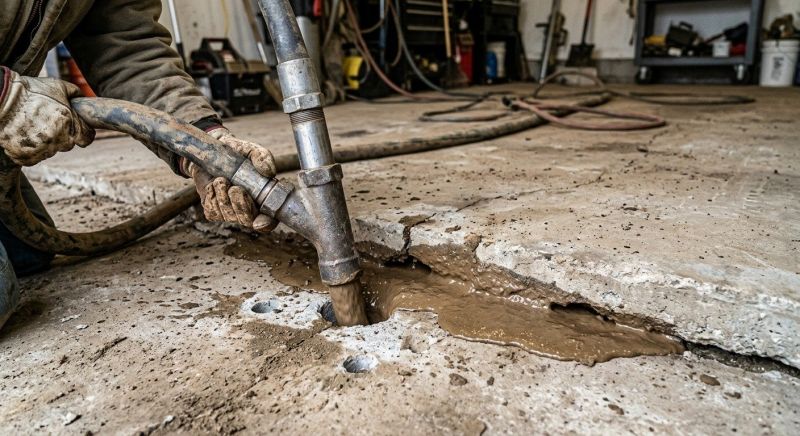
Common Causes Of Settlement
Soil shrinkage, poor compaction, and water drainage problems can lead to concrete settling over time.
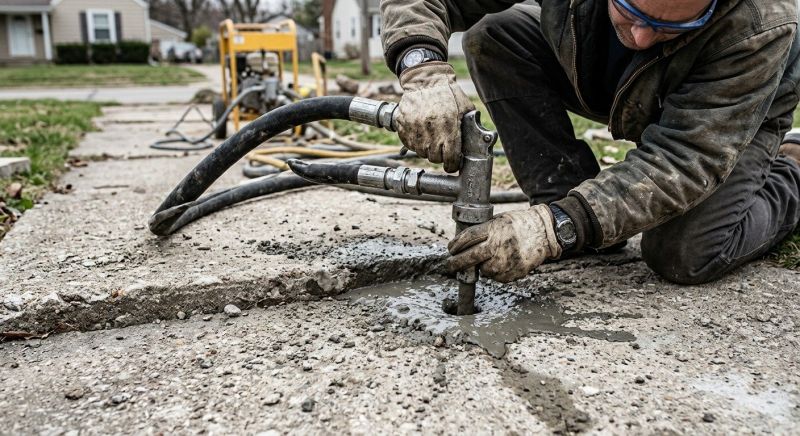
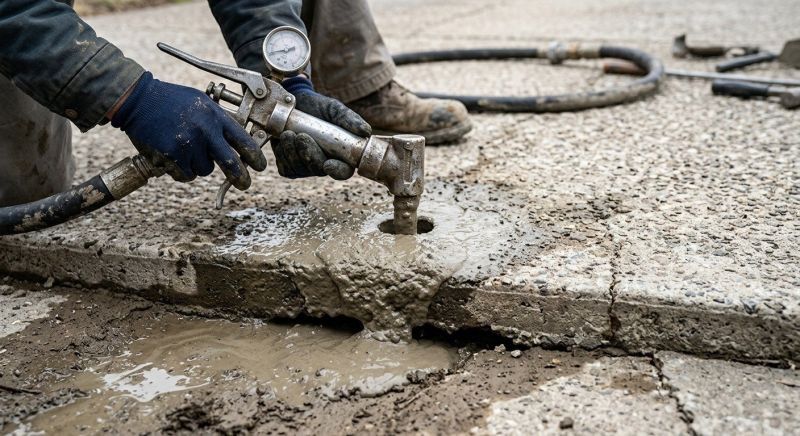
Repair Techniques
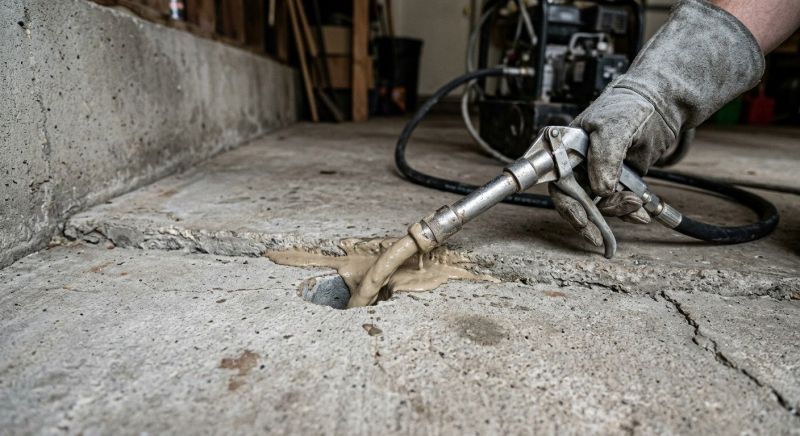
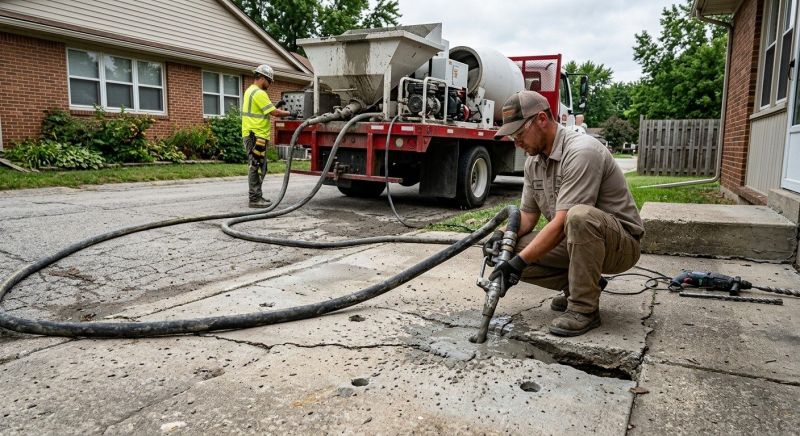
Piering, mudjacking, and slab stabilization are effective methods to restore levelness and stability to affected concrete surfaces.
Concrete Settlement Repair in Denver, CO
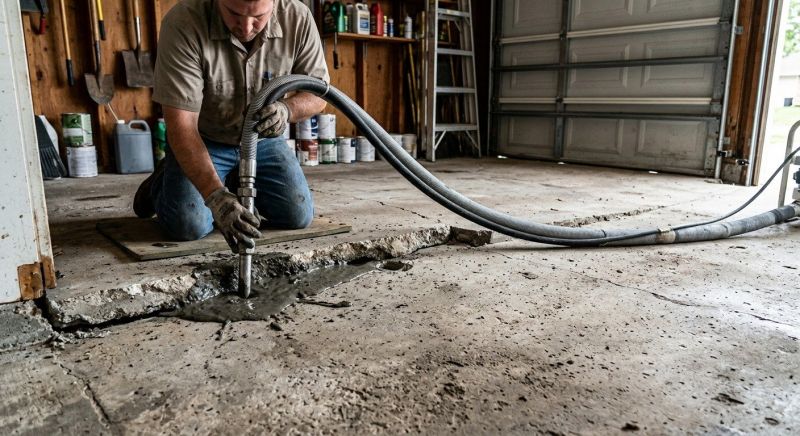
Concrete settlement repair services address issues where the ground beneath concrete structures shifts or compacts over time, causing the concrete to sink, crack, or become uneven. This type of repair is commonly requested for driveways, sidewalks, patios, garage floors, and basement slabs. Property owners typically seek this service to restore safety, improve curb appeal, and prevent further damage that can lead to costly repairs or structural concerns.
Before requesting concrete settlement repair, property owners often want to understand the extent of the damage, the causes of the settlement, and the best solutions available. It’s important to assess whether the unevenness is due to soil movement, poor initial installation, or other factors. Clear communication about the scope of work, potential for future movement, and the longevity of repairs can help homeowners make informed decisions about maintaining the stability and appearance of their concrete surfaces.
Many property owners in Denver, CO look into Concrete Settlement Repair for repairs, replacements, upgrades, and appearance-related improvements.
Common Concrete Settlement Repair Jobs
Foundation settlement repair - stabilizes uneven or sinking concrete slabs to prevent further damage.
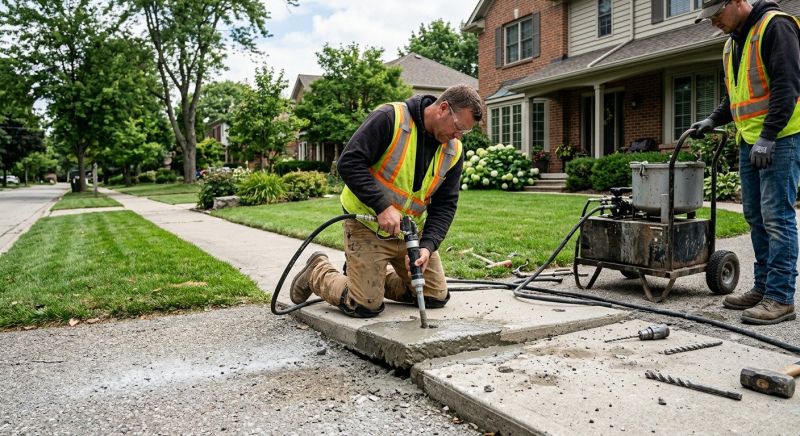
Driveway and sidewalk leveling - addresses cracks and uneven surfaces caused by ground movement.
Garage floor stabilization - corrects cracks and shifts to maintain a safe, level surface.
Patio and outdoor surface repair - restores stability and appearance to sunken or cracked concrete areas.
Structural concrete correction - repairs foundation or load-bearing concrete affected by settlement.
Concrete lifting and jacking - raises sunken slabs to original position for a level, safe surface.
Concrete Settlement Repair Questions
What causes concrete settlement? Concrete settlement often occurs due to soil movement, moisture changes, or poor initial compaction beneath the slab.
How can I tell if my concrete has settled? Signs include uneven surfaces, cracks, or gaps between the slab and adjacent structures.
What types of projects typically require settlement repair? Common projects include driveways, sidewalks, patios, and garage floors with noticeable unevenness or cracking.
Is settlement repair necessary for safety? Yes, addressing settlement helps prevent further damage and reduces trip hazards on the property.
Request Concrete Settlement Repair in Denver, CO
Use the quote form on this page to share the basics of your project and request more information for the type of work you need.